
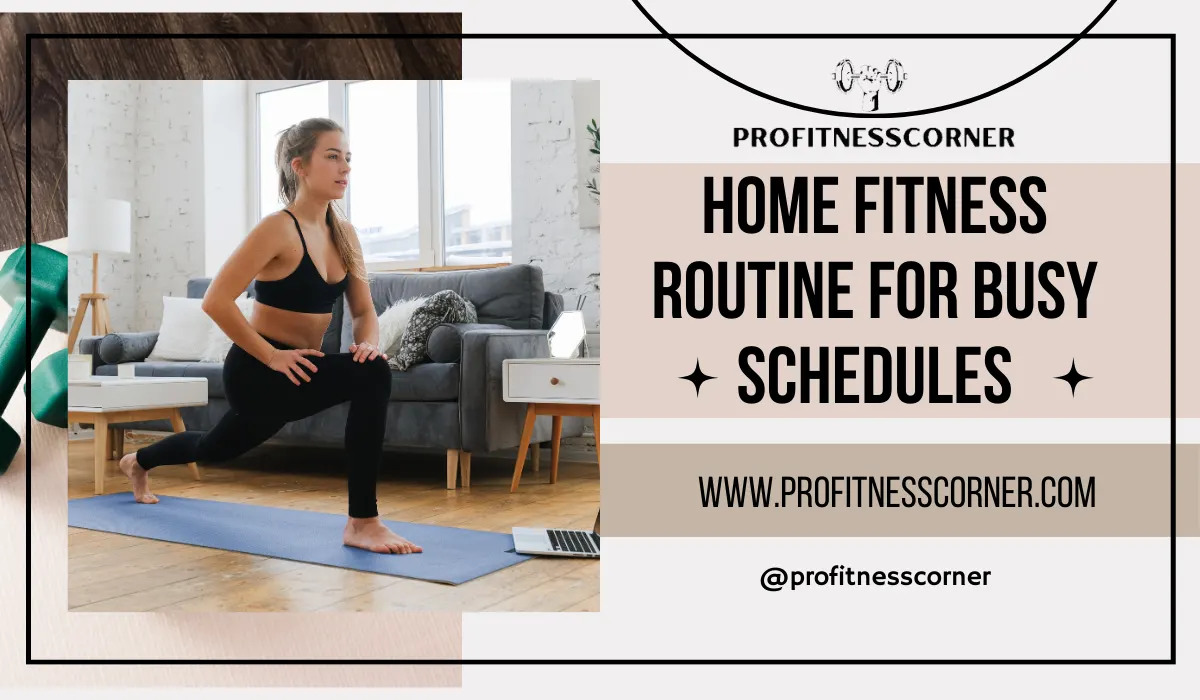
You wake up already behind schedule. Between the early emails, the kids' breakfast, and the looming commute, "hitting the gym" feels like a cruel joke. You want to feel strong, but there just aren't enough hours in the day to drive to a fitness center, find parking, and wait for machines.
The truth is, your body doesn't care if you're in a high-end club or your own kitchen. It only cares that you move with intention. A home fitness routine for busy schedules is the secret weapon for high performers who refuse to sacrifice their physical longevity for professional success.
By the time you finish your first cup of coffee, you could already be done with your daily exercise. This isn’t about grueling hour-long sessions that leave you exhausted. It’s about smart, focused "micro-workouts" that fit into the tiny gaps of your hectic life.
What is a Home Fitness Routine for Busy Schedules?
A home fitness routine for busy schedules is a strategic exercise plan designed for maximum metabolic impact in minimum time. It prioritizes functional movements—actions that mimic real-life tasks—to build lean muscle and burn fat simultaneously using only your body weight.
Unlike traditional gym plans, this routine utilizes "micro-workouts." This means performing a 10 minute daily workout routine at home rather than a traditional 60-minute session. Research from the Journal of Physiology suggests that short bursts of intense exercise can provide similar cardiovascular benefits to longer, moderate-intensity training.
This approach is highly adaptable to any environment. Whether it’s a morning workout routine for busy schedule at home to kickstart your metabolism or a quick evening reset, the framework is flexible. It moves with your lifestyle rather than creating a conflict with your calendar.
Read also: Best Workout Routine To Lose Belly Fat For Females.
Why This Workout Style is Essential in 2026
In today's fast-paced society, time is the most valuable currency. Traditional fitness models often fail because they demand too much "friction"—travel time, preparation, and specialized gear. When your gym is your bedroom floor, you eliminate these barriers completely.
A home-based plan removes the mental load of exercise. By mastering a full body workout at home without equipment, you simplify your health. This makes it the most sustainable way to maintain physical health in a digital-heavy, sedentary professional landscape.
Furthermore, physical activity is a proven neurochemical "reset." For those with packed calendars, a quick session provides the mental clarity needed for high-level decision-making. It’s not just about looking good; it’s about maintaining the cognitive edge required for success.
5 Proven Health Benefits of a 10-Minute Home Workout
- Metabolic Afterburn (EPOC): High-intensity movements keep your body burning calories for hours after you finish, even while sitting at your desk.
- Functional Strength: By mastering a workout at home without equipment, you build strength that assists in daily tasks like lifting groceries or maintaining posture.
- Hormonal Balance: Short, intense bursts help regulate cortisol (the stress hormone) and improve insulin sensitivity.
- Zero Friction: No commuting or waiting for machines means your "start-to-finish" time is cut by 70%.
- Improved Sleep Quality: Consistent morning movement helps set your circadian rhythm, leading to deeper recovery at night.
The Best 7 Exercises to Do Everyday at Home
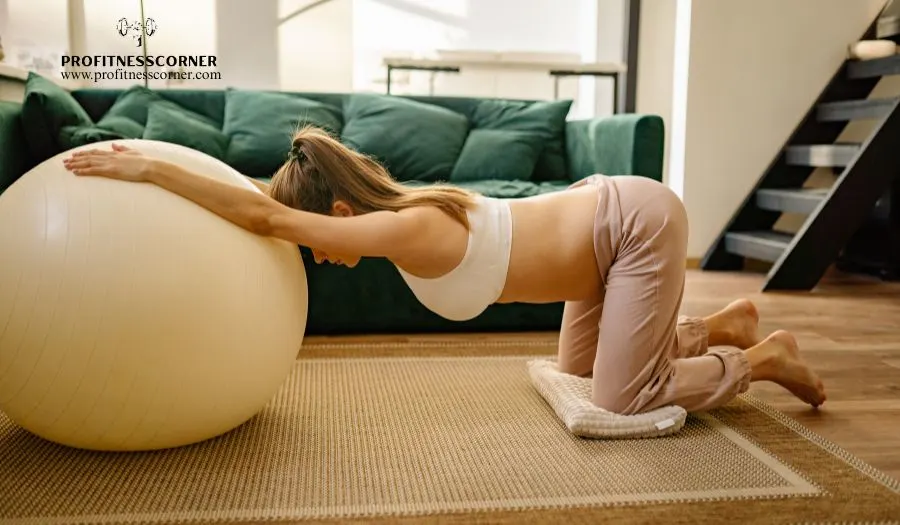
To maximize efficiency, I recommend the "Zero-Equipment Circuit." Perform each exercise for 45 seconds, followed by 15 seconds of rest. Complete the circuit once for a 7-minute blast, or twice for a elite 14-minute session.
- Air Squats: Drive your knees out and keep your chest upright to maximize glute and quad engagement.
- Push-ups: Maintain a "hollow-body" core to protect your lower back while building chest and triceps.
- Reverse Lunges: Improves balance and unilateral leg strength while being easier on the knees than forward lunges.
- Plank with Shoulder Taps: Stabilizes the deep core and improves shoulder health.
- Glute Bridges: Essential for desk workers to "wake up" the posterior chain after hours of sitting.
- Bird-Dog: Optimizes spinal stability and cross-body coordination.
- Burpees (or High Knees): The ultimate metabolic finisher to spike the heart rate for maximum fat loss.
Practical Ways to Use This Daily (Expert Tips)
Imagine a "Busy Mom" scenario. Using a home fitness routine for busy schedules female focus, she performs the air squats while the coffee brews. During a 10-minute nap window, she completes the core movements. She stays fit without ever needing a babysitter.
For the remote professional, try the "Zero-Choice Method." Lay your yoga mat in the middle of your living room the night before. You literally have to step over your goal the moment you wake up. This removes the "decision fatigue" that leads to skipping workouts.
Practical use also involves "Habit Stacking." Perform calf raises while brushing your teeth or wall sits during a muted conference call. These small, intentional movements accumulate into significant caloric burn over a full week.
Common Myths and Expert Insights
The most dangerous myth is that "short workouts don't count." Science proves that time-efficient workout routines trigger significant physiological changes. According to the American Heart Association, even 150 minutes of moderate activity per week—broken into 20-minute daily chunks—significantly lowers health risks.
Another mistake is neglecting "Tempo." In my experience coaching professionals, moving too fast with poor form leads to injury. Instead of 50 sloppy squats, do 15 "slow-tempo" squats (3 seconds down, 1 second up). This increases Time Under Tension (TUT), leading to better muscle tone without heavy weights.
Many also believe they need a "gym room." You don't. You only need the space of a yoga mat. I have personally completed high-intensity sessions in tiny hotel rooms and office corners; the environment matters less than the effort.
Read also: Fitness Motivation Tips For Beginners.
Pros and Cons of Home Training
|
Feature |
Pros |
Cons |
|
Cost |
Zero; no membership or equipment fees. |
No access to heavy power racks. |
|
Efficiency |
No commute; "Start-to-Shower" in 15 mins. |
Home distractions (kids, laundry). |
|
Privacy |
Workout in pajamas; no "gym-timidation." |
No social "group energy." |
|
Flexibility |
Available 24/7; moves with your schedule. |
Requires higher self-discipline. |
FAQs
Is a 10-minute workout as effective as an hour at the gym?
For general health, fat loss, and cardiovascular maintenance, yes. While you won't build massive bodybuilding-style muscle, you can achieve elite levels of fitness and metabolic health.
What is the best time for a home workout?
The best time is whenever you are most consistent. However, a morning workout routine for busy schedule at home is highly recommended to boost energy before daily stresses pile up.
Can beginners start this routine?
Absolutely. Start by performing the exercises for 30 seconds instead of 45, and focus entirely on mastering the form before increasing the intensity.
Final Verdict: Reclaim Your Power
A home fitness routine for busy schedules is a superior way to integrate health into a modern life. By removing the barriers of time and cost, you create a path to fitness that actually lasts. You do not need a gym membership to be an athlete; you simply need a plan and 10 minutes of discipline.
Stop waiting for the "perfect" hour that will never come. Start today with just one circuit in your living room. Your health is the foundation of your career success—don't let a busy schedule take it away.