
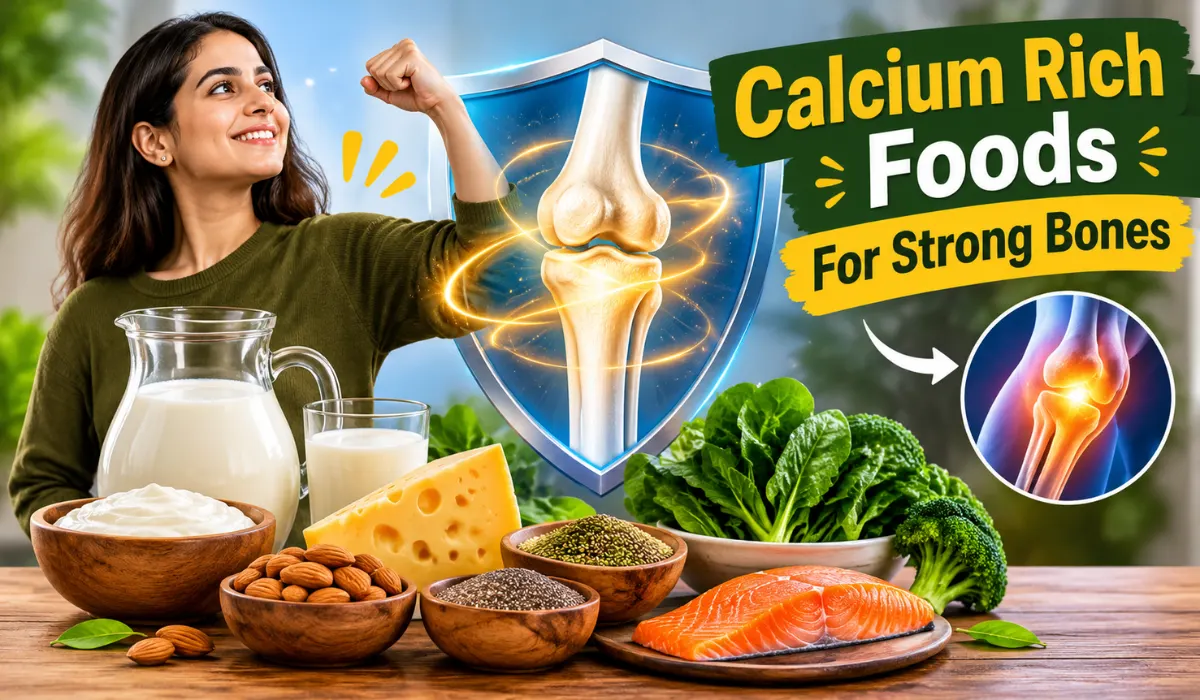
One of the best ways to ensure long-term physical independence and freedom of movement is to maintain strong and resilient bones. Although many people believe that the human skeleton is a sturdy frame that doesn't change, bone is a living, dynamic tissue that is constantly being resorbed and re-formed, a process called bone remodeling. Central thereto is calcium, the most common mineral found in the human body, the presence of which is essential to life throughout one's entire lifespan. Almost 99 % of the calcium in the body is found in the bones and teeth, where it gives them strength and rigidity, and the rest is distributed throughout the blood and soft tissues for functions such as nerve activity, muscle contraction, blood clotting, and production of hormones.
Impaired calcium balance, caused by dietary limitation, causes the body to conserve calcium for acute survival to be able to maintain euthermia, or normal blood calcium level. This is done by turning-on a special type of cell called an osteoclast that releases calcium ions into the blood. This silent loss of minerals can be caused by years or decades and causes the bones to lose mineral density, resulting in the condition of osteoporosis, where bones become weakened and increase the risk of breaking. The good news is that there are no complex programmes or synthetic fillers required to build and maintain good bone health. At every turn in the day, you can replenish your skeletal system using a variety of calcium rich foods, plus the extra nutrients that help calcium do its work, as a natural food source.
Understanding Your Daily Calcium Requirements Across Life Stages
As you grow, mature and age, it is variable how much calcium you require in your bones. In childhood and adolescence, growth of the skeleton is rapid, resulting in the formation of the structure of the entire skeleton that guides to achieve peak bone mass in early adulthood. In order to attain maximum bone density before growth plates are closed, teens aged 9-18 should consume about 1,300 milligrams of calcium daily. After the age of 19, the recommended dietary intake of calcium should be 1,000 milligrams a day for men and women.
Calcium needs increase as the body gets older because of hormonal shifts and reduced efficiency of the small gut to absorb calcium. Women over 50 years of age have a sudden decline in estrogen during menopause, increasing the rate of bone break down and their daily requirement for calcium increases to 1200 milligrams a day. Because digestive absorption and vitamin D production diminish with age, men at the same 1,200-millipound level, attain it at seventy-one. During pregnancy and lactation, demands for the growth of the foetus and milk production increase, and a good balance of nutrients should be provided - not left to chance.
Read Also: Healthy Recovery Meals For Athletes: Best Post-Workout Foods
Dairy Staples: Bioavailable Classics for Skeletal Strength
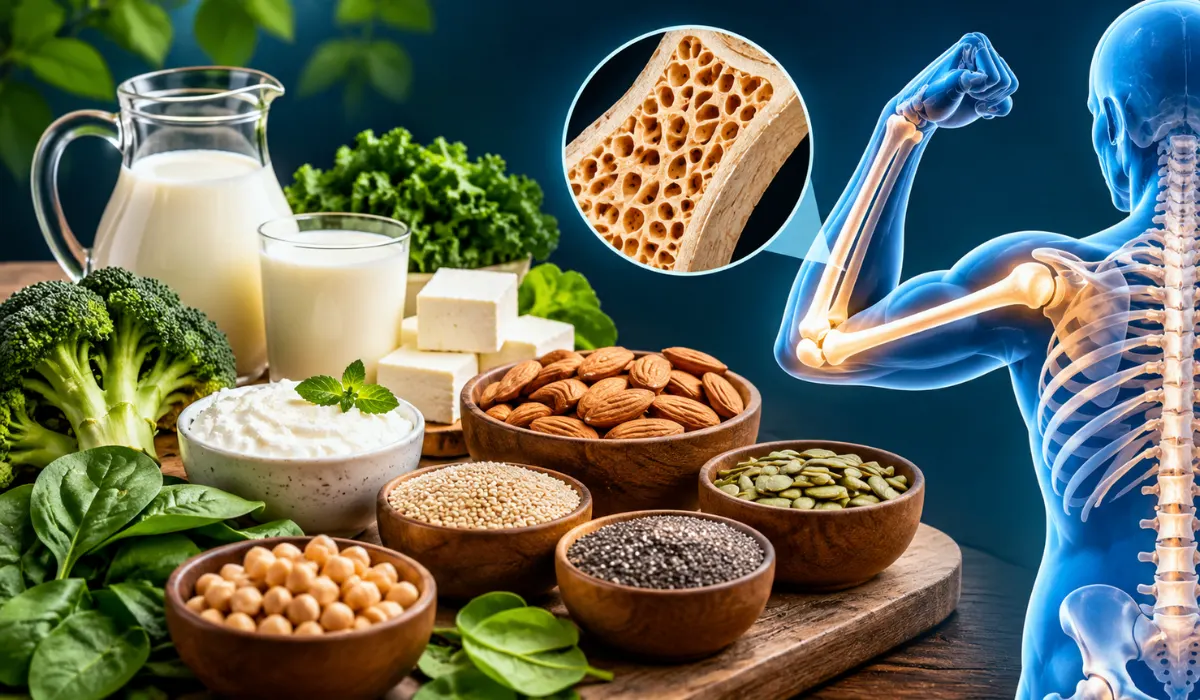
Previous efforts consistently identified traditional dairy foods as a primary source of bone-strengthening diet components, since they are rich in calcium and have a high bioavailability. The milk lacks much protein that would help facilitate the absorption of calcium across the intestinal wall, but cow’s milk contains about 300 milligrams of calcium per eight ounce glass, which is natural. Both plain Greek and traditional fermented yoghurt provide comparable or slightly more calcium, and will include some useful probiotics to aid in maintaining gut barrier integrity and mineral absorption, at around 250–400 mg per cup.
Another concentrated source of skeletal nourishment are aged hard cheeses. The calcium content of a single one-and-a-half-ounce portion of Parmesan, cheddar or Swiss cheese ranges from 300 to 450 milligrams and the quality of the protein is a great part of what makes it useful for building bone tissue, since it provides collagen. Fermented dairy products, like kefir and cottage cheese, offer additional creative potential, enabling people to incorporate bone-friendly minerals into smoothies and other savory meals without heaping heaps of excess added sugars or overrated, ultra-processed ingredients.
Leafy Green Vegetables: Plant-Based Powerhouses of Bone Minerals
At the very least, dark leafy greens are one of the most underutilized groups of food sources for calcium in food. At best, they have high calcium bioavailability and are rich in bone-protective phytochemicals. But, cruciferous greens like bok choy, kale, collard or turnip greens and broccoli are easily picked out since they are low in oxalates, which are part of the natural chemicals in plants that can combine with minerals in the digestive tract. Cooked collard greens contain about 268 milligrams of calcium per cup and a cup of cooked bok choy contains about 160 milligrams of calcium with a fractional absorption rate that exceeds cow's milk.
In addition to their calcium, leafy greens are also excellent sources of vitamin K1, magnesium, and potassium, which also have direct structural roles. Vitamin K stimulates the production of a special protein that attaches calcium crystals directly to the bones. In the interim, Potassium and Magnesium are key to neutralizing metabolic acids in the blood and so can lower the requirement for the body to leach alkaline Calcium salts from bone tissues to provide the necessary pH balance.
Canned Fish with Edible Bones: Marine Sources of Calcium and Vitamin D
Few other foods as nutritious for the bones and skeleton as fatty bone elk! Both sardines caught in the wild and canned pink or sockeye salmon are packaged through a process that involves pressure-cooking, allowing their small bones to become fully tender, digestible and edible. Canned sardines (packed in oil or water) offer about 325 mg of calcium per three-ounce serving, and a three-ounce serving of canned salmon (bone-in) provides between 180 and 210 mg of calcium.
This is what makes them so special for maintaining the health of bones: all these foods are naturally rich in calcium, vitamin D and omega 3 fatty acids. Vitamin D serves as a biological "key" that facilitates the body to absorb calcium from the small intestine, and without sufficient vitamin D, 10-15% of dietary calcium is absorbed. Long-chain omega-3 fatty acid compounds (EPA and DHA) at the same time lower chronic systemic inflammation, which would otherwise promote the function of the bone-destroying osteoclast, leading to accelerated bone loss.
Calcium-Set Tofu and Soy Foods: Versatile Plant Proteins
When prepared with calcium-based coagulants, soy foods provide an outstanding plant-based way to get the recommended amount of calcium for the day, especially for those who do not like milk. Often used to help the liquid soy milk coagulate into tofu and add significant amounts of bioavailable calcium to the final product is the mineral salt, calcium sulfate, commonly seen in traditional and extra-firm tofu. The calcium content of half a cup of calcium set tofu ranges from 250 to more than 400 milligrams along with about 10 grams of whole plant protein, depending on the brand and firmness.
Other foods made with soy (whole soy foods) also help significantly with bone density, including edamame, tempeh and fortified unsweetened soy milk. Isoflavones, plant compounds that have slight phytoestrogenic effects, are naturally present in soybeans and are under investigation for their role in the modulation of bone turnover in postmenopausal women. Edamame is a great snacking option, as is marinating the calcium-set tofu for stir-fries, which will bring on the protein and mineral content while avoiding the saturated fat.
Nuts, Seeds, and Tahini: Compact Sources of Concentrated Minerals
Nuts and seeds are a wonderful nutrient density for nutrients that build up bones in a small, convenient size. The culinary world has few other foods as high in calcium as sesame seeds, with almost a tablespoon of them containing nearly 88 milligrams of calcium and a tablespoon of tahini (the creamy paste made from roasted sesame seeds) containing about 130 milligrams. The nutrition of chia seeds is similar to carrots, with approximately 179 milligrams of calcium per ounce, soluble fiber and plant-based omega-3 fats.
Almonds are high in calcium, magnesium and vitamin E, and you can gradually add calcium in to snacks or food dishes, such as layering it on whole grain toast, stirring into lemon-garlic vinaigrette salad dressings or adding to overnight chia seed puddings.
Legumes and Beans: Everyday Staples for Steady Mineral Intake
Beans, lentils and chickpeas are the dietary keystones of many of the world's longest-lived populations, providing the constant, available source of calcium alongside prebiotic fibre. The legume family leader in calcium is white beans with about 160 to 190 milligrams of calcium per cooked cup. Chickpeas, black beans and kidney beans have modulation levels between 40-80 mg/cup, but they can become significant if consumed regularly as main proteins.
Legumes have phytates, which are naturally occurring compounds that can slightly inhibit the absorption of minerals so some of the traditional preparation ones do make a significant difference. Dried beans soaked over an overnight period with water before discarding the soaking water and cooking them properly will cause some of the phytic acid to be broken down and available minerals made more bioavailable. Cook white beans with sautéed kale and olive oil and you have a synergistic dish, with plant calcium, vitamin K and healthy monounsaturated fats.
Read Also: High Fiber Foods For Healthy Digestion: Gut Health Guide
Fortified Foods and Beverages: Practical Allies for Modern Diets
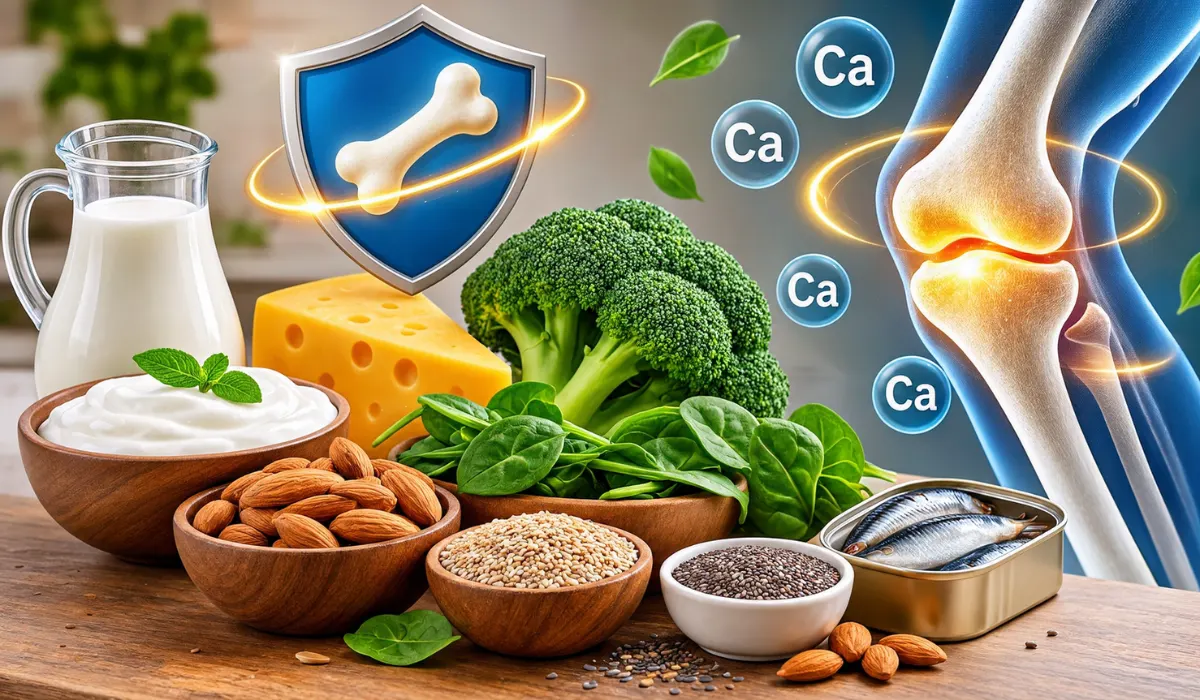
People with dairy allergies and/or lactose intolerance, or ethically abstaining from dairy, can rely on calcium fortified foods as good nutrition protectors. Fortified, unsweetened plant milks (e.g., soy, almond, oat, pea protein) are frequently fortified with as much calcium and vitamin D2 or D3 (compared to dairy) as 1 cup of milk, and may contain between 300 and 450 milligrams of calcium and 0.03 to 0.15 micrograms of vitamin D2/D3 per 100 mL. Before they're poured out, the carton must be shaken to completely disperse any trapped calcium carbonate or tricalcium phosphate which is liable to form at the bottom of the container over time.
Besides plant milks, fortified orange juice, sprouted whole-grain breads and some whole-grain breakfast cereals can help fill in nutritional gaps in the diet. It has been found that the calcium citrate malate, which is used to add calcium to many food beverages, has approximately the same rate of absorption as dairy milk. Cautionary reading is essential for availed food products to be able to piggy-back increased mineral quality without incorporating excess added sugar.
Maximizing Calcium Absorption and Protecting Bone Density
Eating calcium rich food is only the first half of the equation, it's critical to absorb and retain calcium. Calcium is best absorbed / retained in the body, when it is taken multiple times per day – in smaller amounts of 500mg or less per meal – than if taken all at once. These should be combined with vitamin D, which comes from exposure to sunlight, fatty fish or egg yolk, and the mineral magnesium, which is found in whole grain foods, nuts and dark chocolate, to make sure taken calcium gets used correctly—bound into bone-destitute, soft tissues do not use it.
Frequently Asked Questions
Can you get enough calcium without eating dairy products?
It can absolutely be possible to get your calcium fix for the day with a dairy-free or vegan lean.Absolutely, it is possible to get calcium into your diet daily on a dairy-free or a vegan plan! Calcium set tofu, tahini, chia seeds, white beans, fortified unsweetened milk of soy or almond makes it easy to reach 1000-1200 milligrams of bioavailable calcium a day when used in combination with low oxygen greens such as bok choy and collard greens.
Is it better to get calcium from food or supplements?
Aside from calcium supplements, whole foods are highly preferred over supplements because they offer calcium along with protein, magnesium, potassium, and the bioactives, all of which help to most effectively build the bone together as a synergic unit. In some studies, high amounts of calcium given as supplements without a meal have been linked to kidney stones and stomach upset, but calcium-containing foods are absorbed over time and don't appear to poses the same risks.
Why do spinach and Swiss chard count less toward daily calcium goals?
Spinach and Swiss chard have some calcium and large amounts of oxalic acid! There is a significant amount of calcium in spinach that binds with the oxalates in it and that further calcium is not absorbed by the body, so that less than 5% of the calcium in spinach is absorbed, whereas kale and broccoli are low in oxalates and are excellent sources of calcium, absorbing more than 50%.
Does coffee or tea leach calcium from your bones?
One or two cups of coffee daily will lead to a small but temporary boost in calcium loss in the urine which can be cancelled out by adding a tablespoon or two of milk or fortified plant milk to the coffee. Excessive caffeine intake (more than 4 cups per day) is risky mainly if it is associated with inadequate calcium intake from the diet.