
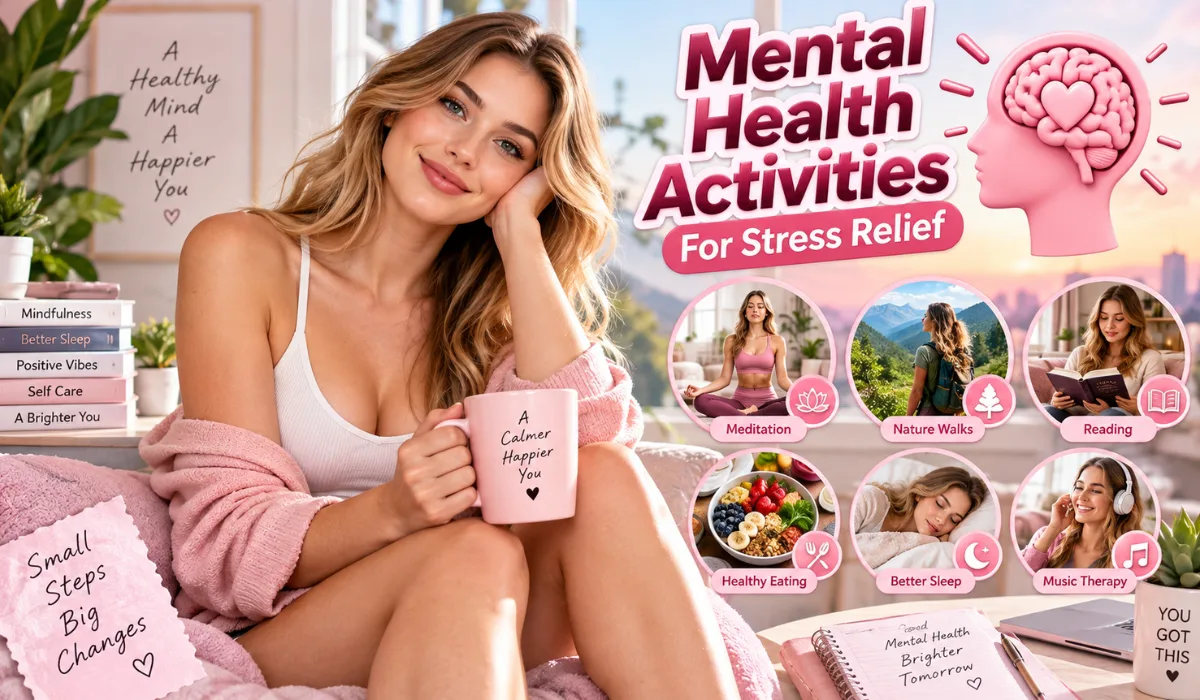
It's easy to get caught up in the whirlwind of life. The bills pile up, your you're exhausted, your mind is like a blaring computer that has numerous tabs open. Stress is silently creeping in it makes you fatigued and angry. There is a need for to take a breather. taking care of your brain is as essential than brushing teeth, or eating healthy foods. If your brain is feeling fried it is time to hit an option to reset. Engaging in Mental Health Activities For Stress Relief can help clear the mind and bring back the smile. Simple, easy habits can change every aspect of your life. Let's take a look at some easy methods to relax your mind, relax and secure your peace of mind today.
What Are the Best Mental Health Activities For Stress Relief?
Life is full of curveballs. Understanding what are the most effective exercises for mental health and stress reduction helps you avoid exhaustion. Certain things work best for different individuals, however some general favorites are never in doubt.
The deep breathing exercises are some magic for your nervous system. In times of anxiety and breathing is slowed, it slows the heart rate. Exercise also helps to burn off negative energy. A walk creates happy brain chemicals, known as endorphins.
Journaling is another effective instrument. It is a great way to get messy thoughts out of your head. the thoughts out of your mind and onto the paper. Artistic hobbies such as coloring, painting, or building can shift your off your attention from the worries. They are activities to ease anxiety and stress are not requiring any particular abilities. You only need a couple of hours of your time.
Read Also: Mental Health For Working Professionals: How to Stay
Why Are Mental Health Activities Important For Stress Relief?
The understanding of why the activities of mental health essential to relieve stress can help you remain committed. Stress can cause damage to the body as time passes. The stress causes muscles to become tight and inundates the system with stress hormones such as cortisol.
Engaging engaging in stress-relief activities to achieve greater mental well-being can break this vicious cycle. It is the work of Dr. Sarah Jenkins, a top clinical psychologist, describes this in plain language:
"Think of stress relief not as a luxury, but as essential maintenance. Just like a car needs oil changes, your brain needs moments of complete pause to function properly."
Continuously practising daily mental health exercises to ease stress helps lower blood pressure, enhances the quality of sleep and improves your the ability to focus. If your mind is at peace and calm, you can face everyday challenges with grace and patience.
Top 10 Mental Health Activities For Stress Relief

Overthinking is not a good idea every time. Below are the top 10 mental Health activities for Stress Relief that anyone could try today:
- The practice of mindful breathing: Take ten slow breaths and focus on the air that moves in and out.
- The Nature Walks: Step outside and observe five things that are green. Outdoor exercises to improve your mental health are a boon for an exhausted brain.
- Journaling Put all of your concerns onto a clean page prior to going to bed.
- Digital Detox: Put the phone down for an entire time.
- Relaxation and Stretching Gentle: Relax tight muscles in your neck and shoulders.
- Listening to music: You can play your most popular upbeat relaxing songs and perform along.
- Creativity Doodling Make shapes and colour inside a book without stressing about perfect.
- List of Gratitude: Write down three small things that were successful today.
- Mindful Sipping Sip a hot cup of tea slowly taking in every drop.
- Aromatherapy Aromatherapy: Smell relaxing essential oils such as citrus or lavender.
How Can Relaxation Activities Improve Mental Health?
Many people ask how relaxation exercises can help improve your mental wellbeing over the long term. The key lies in neuroplasticity, which is the brain's ability to alter its neural wiring. If you choose consistently the right activities for relaxation and stress relief and relaxation, you are training your brain to recover quicker from difficult scenarios. The Dr. David Thorne, a neuroscientist studying chronic stress, says:
"Every time you choose a calming habit over a panic response, you build a stronger neural pathway for peace."
The relaxing activities that improve the mental state help reduce general irritability. The stress of the day is gone. things because your state of mind is calm and steady.
Read Also: Stress Management For Professionals: 10 Ways to Beat
Simple Mental Health Activities For Stress
It is not necessary to have the cost of a luxurious spa experience to relax. Easy mental health exercises to relieve anxiety can easily fit into a hectic agenda. Spray cold water onto your face whenever you feel overwhelmed. A sudden change in temperature will reset the vagus nerve, and stop a panic cycle quickly. Another method is the 5-4-3-2-1 technique of grounding. Take a look around and identify five things that you notice that you touch four the three things you hear two that you smell, and the last one that you can are able to taste. These tiny habits take just two minutes. They take your mind out of the present and bring it back to the safety of your present.
Self-Care Activities for Mental Health and Stress
Self-care that is truly self-care extends beyond the use of face masks or bubble baths. Activities for self-care to help manage wellbeing and stress involve setting limits, stopping other obligations, and safeguarding your vitality. The most important thing is sleep. Achieving seven or eight hours of sleeping time heals emotional wounds. Consuming nutritious food and drinking plenty of water can keep emotions from swinging. If your body feels full and energized, it helps keep the mind healthy.
Relaxation Techniques for Mental Health
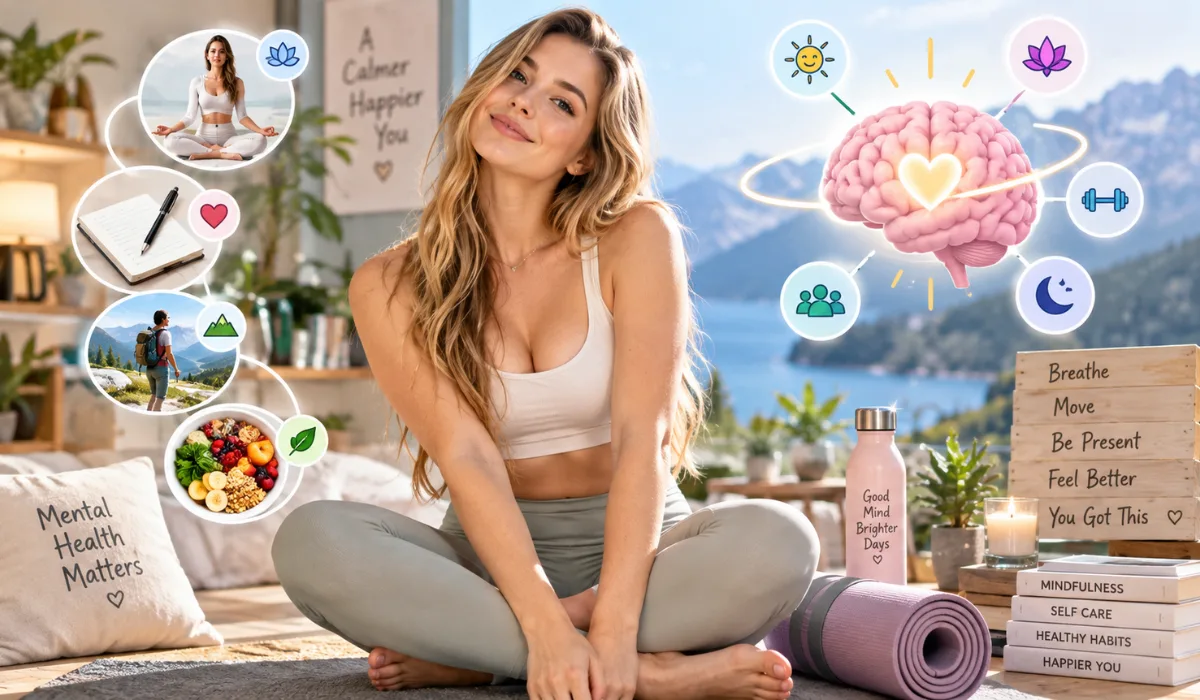
Learning specific relaxation techniques to improve your mental well-being can help you prepare to help you get through the day. Progressive muscles relaxation is one of the most popular by experts. Begin with your toes and hold them in a tight squeeze for five seconds and then release them totally. Work your way up to the calves or thighs, stomach fingers, and your the face. Be aware of how relaxed and heavy your body will feel following the exercise. The exercise teaches you how the physical strain feels like and allows you to let it flow more quickly.
Positive Mental Health Activities for Adults
It is hard to be an adult. Mental health-related activities that are positive for people who are adults usually require reconnection with play and enjoyment. Adults lose their ability to relax because they are all the time doing something else. Schedule playtime like you schedule meetings. Have a game on the board or build with blocks or throw a soccer ball around with your pals. Laughter triggers natural pain relieving chemicals within the brain. Being able to connect with friends who are supportive will provide you with a protection when life becomes too overwhelming.
Read Also: 10 Best Mental Health Self Care Ideas to Reset Your Mind.
Frequently Asked Questions
What are the easiest mental health activities for busy people?
Breathing in mindfully, drinking water at a moderate pace, as well as taking breaks for five minutes each take no extra time and are a good fit for any time.
How often should I practice stress relief activities?
The best way to practice daily is through repetition. A little bit of time every day can help keep stress levels at bay and helps prevent burning out before it begins.
Can outdoor activities really improve mental health?
Yes. The sun's rays boost Vitamin D as well serotonin levels. These naturally boost mood and decrease anxiety-related symptoms.
Are professional relaxation techniques hard to learn?
Not at all. Techniques like deep breathing or gradual muscle relaxation only take few minutes to master after a few hours of practicing.