
Life moves fast. Between work, family, and endless phone notifications, your brain rarely gets a break. That constant rush leaves millions of people feeling exhausted and overwhelmed every single day. Fortunately, you do not need to move to a quiet mountain top to find peace. Practicing mindfulness meditation for daily life gives your brain a simple, proven way to hit the reset button right where you are. Here is everything you need to know about starting a simple daily practice that actually sticks.
What Is Mindfulness Meditation?
Mindfulness meditation is the practice of paying full attention to the present moment without judging it. Instead of worrying about tomorrow or replaying yesterday, you train your brain to focus on what is happening right now.
Unlike other practices, mindfulness meditation vs traditional meditation does not require clearing your mind completely or repeating complex mantras. You simply notice your breath, your body, and your thoughts as they come and go.
It is also distinct when looking at mindfulness meditation vs yoga meditation. While yoga uses physical poses to calm the body, mindfulness meditation focuses purely on mental awareness and breath control.
Read Also: Meditation Techniques For Stress Relief: Calm Your Mind Easily.
Why Is Daily Meditation Good For Mental Health?
Your brain changes based on how you use it. When you practice mindfulness every day, you train your mind to respond to life instead of reacting with stress. Studies show that daily practice lowers cortisol, which is your body's main stress hormone. It helps quiet the brain's fear center while strengthening the areas responsible for decision-making and emotional control.
"Meditation is not about stopping your thoughts. It is about learning to stop letting your thoughts run you." — Dr. Jon Kabat-Zinn, Founder of Mindfulness-Based Stress Reduction (MBSR)
Top 10 Mindfulness Meditation For Daily Life Techniques
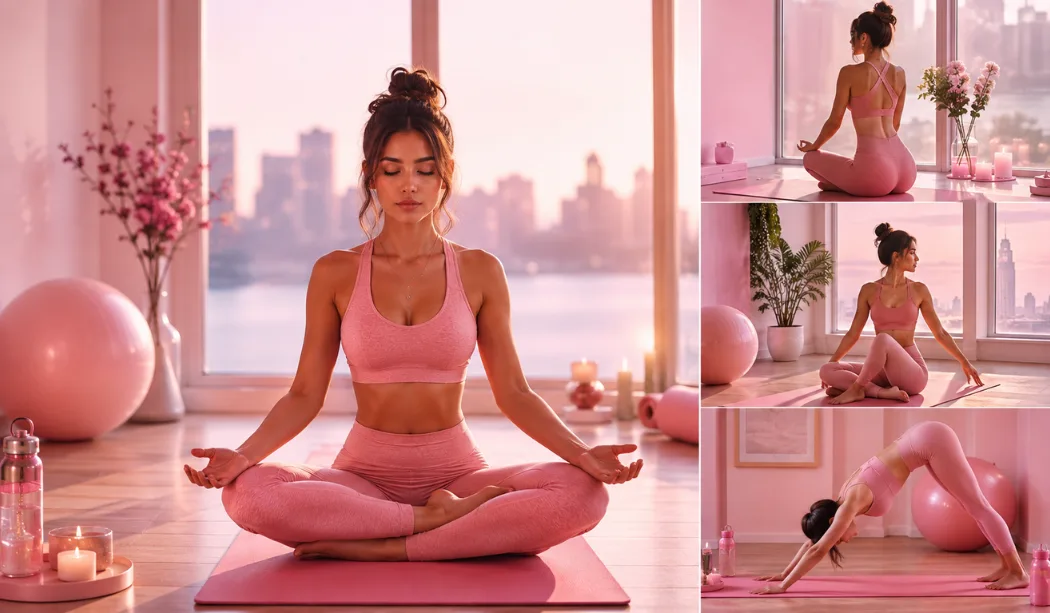
You do not need hours of free time to get real results. These ten practical exercises fit easily into even the busiest schedules:
- Mindful Breathing: Focus on the air entering and leaving your nostrils for two minutes.
- Body Scan: Notice physical sensations from your toes up to your head.
- 5-4-3-2-1 Grounding: Name 5 things you see, 4 you feel, 3 you hear, 2 you smell, and 1 you taste.
- Mindful Walking: Feel your feet hitting the ground with every step during a walk.
- Mindful Eating: Pay close attention to the taste, texture, and smell of your food.
- Loving-Kindness Meditation: Silently send peaceful thoughts to yourself and others.
- Single-Tasking: Focus entirely on one chore, like washing dishes, without distractions.
- Sound Awareness: Close your eyes and listen to distant sounds without labeling them.
- Gratitude Pause: Reflect on three simple things you are thankful for right now.
- Mindful Listening: Give someone your full, undivided attention while they speak.
Mindfulness Meditation For Daily Life: Quick Daily Routines
Starting small is the secret to building a habit that lasts. You do not need an hour a day; just five minutes can shift your entire mood.
Mindfulness Meditation Techniques For Busy People
If your calendar is packed, micro-meditations are your best friend. Try taking three deep breaths before opening a work email, or do a 30-second body scan while waiting in line at the grocery store. These small pauses break up stress throughout your day.
5 Minute Meditation To Calm The Mind
When overwhelm strikes, set a timer for five minutes. Sit comfortably, close your eyes, and count your breaths—inhale for four seconds, hold for four, and exhale for four. This simple routine drops your heart rate fast.
Read Also: 10 Best Meditation Habits For A Peaceful Lifestyle 2026 Guide.
How To Improve Focus With Mindfulness Meditation
Your attention works just like a muscle. Every time you notice your mind wandering and gently bring it back to your breath, you perform one mental repetition. Over time, that training builds deep focus and mental stamina.
When you practice daily, you spend less time distracted and more time in a flow state. This makes work easier, speeds up task completion, and leaves you with more free energy at the end of the afternoon.
Best Mindfulness Meditation For Everyday Stress & Anxiety
Stress and anxiety usually live in the past or the future. Mindfulness pulls you right back into the present moment, where you are safe and in control.
Guided Meditation For Anxiety And Overthinking
If your mind spins with endless thoughts, quiet silence can feel intimidating. Using a guided meditation mindfulness meditation gives your mind a calm voice to follow, keeping your thoughts grounded and steady.
Meditation For Anxiety Management
Regular practice acts as a shield against sudden worry. By training your mind daily, you learn to observe anxious thoughts like passing clouds rather than accepting them as absolute truth.
Deep Relaxation Meditation For Stress Relief
At the end of a long day, a deep relaxation session relaxes your muscles and signals to your nervous system that it is time to unwind. This leads to deeper sleep and brighter mornings.
How To Build a Lasting Routine for Mindfulness Meditation For Daily Life
Building a new habit works best when you attach it to something you already do every day. Anchor your practice to your morning coffee, your lunch break, or brushing your teeth. Start with just two minutes a day for your first week. Once that feels effortless, add two more minutes. Consistency matters far more than duration. Many beginners love opening a Daily Calm meditation today on popular apps to keep their practice fresh and guided every morning.
What Is The Best Time For Mindfulness Meditation?
The absolute best time to meditate is whenever you can do it consistently every day. However, different times offer distinct benefits depending on your lifestyle goals:
| Time of Day | Key Benefit | Ideal For |
| Early Morning | Sets a calm tone for the day ahead | Boosting morning focus and mood |
| Midday Break | Resets mental energy after work stress | Beating the afternoon slump |
| Evening | Unwinds tension for better sleep quality | Releasing nighttime overthinking |
The Benefits: Mood, Health, and Daily Wellbeing
Committing to daily practice impacts every single area of your life. It boosts physical health while building long-term emotional strength. Using meditation for positive mindset shifts your perspective naturally over time. Instead of dwelling on problems, your brain starts spotting solutions and feeling genuine gratitude for simple moments.
Read Also: 10 Best Meditation Techniques For Positive Thinking.
Frequently Asked Questions
Can beginners do mindfulness meditation without a teacher?
Yes, absolutely! You can start on your own by focusing on your breath, or use free guided apps and online videos to guide your practice.
How long does it take to see results from daily meditation?
Most people feel calmer after their very first session. Science shows that physical changes in the brain show up after just eight weeks of consistent daily practice.
What should I do if my mind will not stop racing?
A racing mind is completely normal. Meditation is not about clearing your mind; it is simply about noticing when your mind wanders and bringing your focus back to your breath.